
Ceramic production does not leave much room for mismatch. A brush that is slightly too aggressive can mark greenware, disturb glaze coverage, or wear critical machine surfaces faster than expected. A brush that is too soft may fail to clean dust, guide parts, or maintain a consistent finish. That is why selecting the right brushes for ceramics is less about buying a standard part and more about matching the brush to the exact process, material condition, and machine setup.
In ceramic manufacturing, brushes are used in more ways than many buyers first assume. They can clean tile, remove dust before glazing, guide parts on conveyors, protect surfaces during transfer, support finishing operations, and help maintain cleaner, more stable production lines. The correct design depends on whether the brush touches unfired ceramic, fired parts, glazed surfaces, abrasive dust, or the equipment itself.
Where brushes for ceramics are used
Ceramics plants typically use industrial brushes at several points across production. Some applications are visible, such as surface cleaning or edge treatment. Others are more functional, such as sealing openings against dust, supporting part movement, or preventing contact damage on equipment.
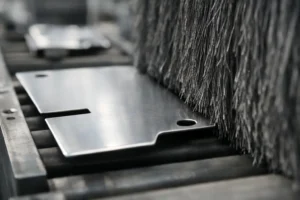
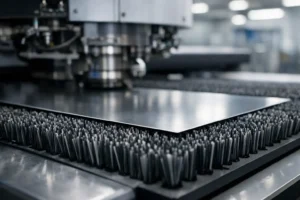
Brush tables and brush panels are common where ceramic sheets, tiles, or formed parts need stable support without scratching. Roller brushes and cylindrical brushes are often used for cleaning, conveying assistance, or surface contact in automated lines. Strip brushes may be used for dust control, sealing, or guiding. In some finishing operations, abrasive nylon brushes are selected for controlled deburring, edge refinement, or surface conditioning.
The application matters because ceramic production includes both fragile and abrasive conditions. Green ceramic bodies can be delicate. Fired ceramic can be hard and wear-resistant. Ceramic dust can be highly abrasive. The same plant may need one brush design for gentle handling and another for aggressive cleaning just a few steps later.
The main factors that determine brush performance
When evaluating brushes for ceramics, the most important variables are filament material, filament diameter, trim length, density, core or base construction, and overall dimensional fit. Small changes in these details can significantly affect performance and service life.
Filament material
Nylon is widely used because it offers good wear resistance, flexibility, and chemical compatibility. It works well in many ceramic applications, especially where consistent contact and long service life are required. Polypropylene may be preferred in wet or chemically exposed environments because of its moisture resistance and cost profile. Natural fiber is sometimes considered for lighter-duty contact, but in industrial ceramic production, synthetic materials are usually selected for better consistency and durability.
If the operation involves surface finishing or more aggressive action, abrasive nylon can be the better choice. It combines the flexibility of filament brushing with embedded abrasive grit, making it suitable for deburring or controlled surface treatment. The trade-off is that it must be matched carefully to the ceramic part and the required finish. Too much aggression can damage the product or create unacceptable variation.
Stiffness and filament diameter
A stiffer brush is not automatically better. In ceramic applications, stiffness must match both the task and the condition of the part. Fine filaments with longer trim lengths provide gentler contact and are often better for dust removal, light sweeping, and handling support. Heavier filaments with shorter trim lengths create more aggressive action and may be needed for scrubbing, material removal, or demanding cleaning conditions.
This is where many sourcing decisions go wrong. Buyers sometimes replace a worn brush by matching only the outside dimensions, but the brush behavior changes if the filament diameter or trim is different. Two brushes can look similar on paper and perform very differently on the line.
Brush density and contact pattern
Dense fill can improve cleaning consistency, part support, and dust containment. But higher density can also increase friction, heat, or drag, depending on line speed and surface condition. Lower density may reduce contact force and allow debris to pass through more easily, but it may also leave the process under-supported.
In ceramic plants, density often needs to be balanced against product fragility and production speed. A high-speed automated line handling delicate parts may need a different contact pattern than a slower line moving fired ceramic components.
Matching the brush to the ceramic process
Not every ceramic application should be treated like a surface-finishing job. In many cases, the brush is there to protect product quality, not to change the surface.
Cleaning before glazing or inspection
Dust removal is a common requirement in ceramics. Loose particulate can affect glaze adhesion, create finish defects, or interfere with inspection. For this type of work, the brush needs enough contact to remove dust consistently without marking the surface or redistributing debris. Filament flexibility, rotation speed, and brush positioning all matter.
A cylindrical or roller brush is often suitable when parts are moving continuously through the line. The exact design depends on the width of the product, line speed, dust load, and whether contact must remain light.
Part guidance and transfer protection
Ceramic parts can chip or scratch during movement, especially at transfer points, side guides, and machine contact areas. In these positions, strip brushes, brush panels, or custom brush assemblies may be used to cushion contact, stabilize travel, or reduce impact against metal components.
This is a good example of why custom-engineered industrial brush solutions are often the better option. The right fit is not only about dimensions. It also includes mounting style, compression, filament recovery, and how the brush behaves across repeated cycles.
Surface finishing and edge work
Some ceramic operations require brushing for deburring, edge refinement, or surface conditioning. In these cases, abrasive nylon brushes are often considered because they provide repeatable action and can be manufactured for demanding industrial applications. Grit size, filament stiffness, and brush configuration should be selected based on the material hardness, desired finish, and acceptable tolerance.
The trade-off here is straightforward. More aggressive brushing can improve throughput, but it may also shorten brush life or create a finish that is too heavy for the product specification. Process testing is usually the right approach.
Why custom fit matters in ceramic production
Ceramic operations rarely benefit from a one-size-fits-all replacement. Even when a standard brush type is appropriate, dimensional accuracy and mounting compatibility still determine whether installation will be smooth and whether the brush will perform as expected.
For example, a brush panel used in a support table must align correctly with adjacent sections to prevent inconsistent support or part rocking. A roller brush must match shaft, core, face length, outside diameter, and operating speed. A strip brush used for sealing must maintain enough contact to control dust without creating excessive drag.
For U.S. manufacturers, especially in production-heavy states such as Texas, Ohio, Illinois, and Michigan, this becomes a sourcing issue as much as an engineering issue. Delays caused by poor fit, rework, or repeat ordering can be more expensive than the brush itself. Replacement and custom brush solutions for production equipment should be built around the machine, the operating conditions, and the actual production problem.
What to provide when requesting a ceramic brush quote
A useful quote starts with practical information. The more complete the inputs, the faster the design can be reviewed and matched to the application.
For most brushes for ceramics, suppliers should receive the brush type needed, overall dimensions, core or base details, filament material if known, operating speed, temperature exposure, and whether the brush contacts green ceramic, fired parts, glazed surfaces, or only equipment. Photos of the machine area and worn sample parts are also helpful. If the issue is surface marking, premature wear, dust control, or poor cleaning consistency, that should be stated clearly.
This is where an experienced manufacturing partner adds value. A good supplier does not just replicate a brush. They review whether the original configuration is actually the right one, or whether a change in fill, stiffness, backing, or mounting would improve life and performance.
Common buying mistakes to avoid
One common mistake is specifying only length and diameter while ignoring filament characteristics. Another is choosing maximum stiffness when the application really requires controlled contact. Some buyers also underestimate environmental factors such as abrasive dust, moisture, heat, or chemical exposure from cleaning processes.
There is also the question of replacement frequency. A lower-cost brush that wears quickly or creates quality variation is rarely the cheaper option in a ceramic plant. Downtime, scrap, and maintenance labor usually outweigh small differences in unit price.
For facilities trying to stabilize output, the better approach is to source brushes designed for durability, fit, and performance, then standardize successful specifications across similar lines where possible.
FAQs about brushes for ceramics
What brush material is usually best for ceramics?
It depends on the task. Nylon is often a strong choice for general industrial use because it balances durability and flexibility. Abrasive nylon is better for finishing applications. Polypropylene may be preferred where moisture or chemical exposure is a concern.
Can the wrong brush damage ceramic parts?
Yes. Excessive stiffness, incorrect filament diameter, poor alignment, or the wrong brush speed can mark, chip, or wear ceramic surfaces. This is especially important with greenware and glazed finishes.
Are custom brushes necessary for ceramic machinery?
In many cases, yes. Custom sizing, mounting, fill pattern, and material selection help ensure machine compatibility and more consistent results. That is particularly important for automated lines and replacement parts.
If your ceramic operation depends on consistent cleaning, controlled handling, dust management, or reliable surface treatment, the brush should be treated like a production component, not a generic accessory. Cepillos Regios manufactures custom-engineered industrial brush solutions designed around machine dimensions, operating conditions, and real plant requirements. If you need replacement and custom brush solutions for production equipment, request a custom quote based on your machine, dimensions, material, and application.