
Is There a Single Best Deburring Technique?
One of the most common questions in manufacturing is what is the best deburring technique. Based on real industrial experience, the short answer is clear: there is no universal deburring method.
The best technique depends directly on the material, part geometry, manufacturing process, required tolerances, and production volume.
Key Factors When Choosing a Deburring Technique
Before selecting a deburring method, it is critical to evaluate:
- Material type (steel, aluminum, stainless steel, cast iron, etc.)
- Part geometry and tolerances
- Production volume
- Required surface finish
- Safety requirements
- Scrap and rework costs
Choosing the wrong technique often leads to hidden quality and cost issues that appear later during assembly or in the field.

Problems Caused by Using the Wrong Deburring Method
When an inappropriate deburring technique is used, manufacturers commonly face:
- Residual burrs that are difficult to detect
- Part damage due to excessive material removal
- Inconsistent results between production batches
- Increased rework and scrap
- Failures during quality audits
In high-precision industries, these issues are unacceptable.
Common Industrial Deburring Techniques
The most widely used deburring techniques include:
Manual Deburring
- Low initial investment
- Highly operator-dependent
- Low repeatability
Abrasive Deburring
- Aggressive burr removal
- Risk of altering critical tolerances
- Potential surface damage
Automated Deburring
- High initial investment
- Ideal for high-volume production
- Excellent repeatability
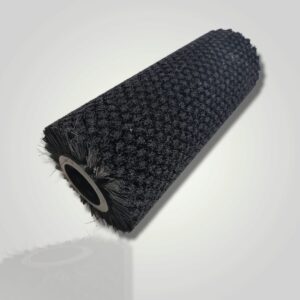
Deburring with Industrial Brushes
- Controlled material removal
- Ideal for complex geometries
- Easily integrated into CNC machines and robotic cells
- Excellent balance between quality, cost, and repeatability

Why Industrial Brushes Are One of the Best Deburring Techniques
The primary purpose of deburring is to remove sharp edges, burrs, and surface imperfections that can compromise part quality, safety, and performance. From real-world manufacturing experience, industrial deburring brushes stand out because they:
- Remove burrs without damaging the part
- Preserve critical tolerances
- Improve operator safety
- Integrate seamlessly into CNC and automated processes
For many modern applications, brush deburring has become the preferred technique.
Industries Where Deburring Technique Selection Is Critical
Choosing the right deburring technique is essential in industries such as:
- Automotive
- Aerospace
- Metalworking
- CNC machining
- Stamping
- Punching
In these sectors, deburring is not optional, it is a fundamental quality control step.
Conclusion: The Best Deburring Technique Is the Right One for Your Process
The best deburring technique is not necessarily the most aggressive or expensive, but the one that removes burrs in a controlled, safe, and repeatable way without compromising part integrity or process stability.
Selecting the correct deburring method can be the difference between a stable production process and constant quality issues.
Not sure which deburring technique is best for your application?
Choosing the right industrial deburring brush can optimize your process from day one.
FAQ— The Best Deburring Technique
What is the best deburring technique?
The best deburring technique depends on the material, part geometry, tolerance requirements, surface finish, and production volume. There is no one-size-fits-all method; the best option is the one that removes burrs in a controlled, repeatable way without damaging the part.
Is manual deburring a good option for production?
Manual deburring can work for low-volume jobs, prototypes, or hard-to-reach areas. However, it is operator-dependent and often less repeatable, which can increase variability, rework, and quality risks in production environments.
When should I choose automated deburring?
Automated deburring is best for high-volume manufacturing where repeatability and cycle time control are critical. It typically requires higher upfront investment but can reduce long-term scrap, rework, and labor variability.
Why are industrial deburring brushes often considered a top choice?
Industrial deburring brushes provide controlled material removal, preserve critical tolerances, and work well on complex geometries. They integrate easily into CNC machines and robotic cells, offering an excellent balance of quality, cost, and repeatability.
What are the most common mistakes when selecting a deburring method?
Common mistakes include choosing an overly aggressive method, ignoring tolerance requirements, relying too heavily on manual deburring, and treating deburring as a “final patch” instead of integrating it into the manufacturing process.
Which industries require deburring as a non-optional step?
Automotive, aerospace, CNC machining, metalworking, stamping, and punching typically require deburring as a mandatory step due to tight tolerances, safety requirements, and strict quality standards.