

Why Identifying Deburring Mistakes Is Critical
Deburring is often treated as a secondary operation, yet many quality problems originate during this stage. Poor deburring practices lead to scrap, rework, assembly failures, and safety risks.
Understanding and eliminating these mistakes is essential for achieving stable, repeatable, and safe manufacturing processes.
Mistake #1: Assuming All Parts Can Be Deburred the Same Way
One of the most common deburring mistakes is believing that a single method works for every application.
In reality, each part requires a different approach based on:
- Material
- Geometry
- Tolerance requirements
- Manufacturing process
Using the same deburring method across all parts often results in residual burrs or part damage.
Mistake #2: Choosing the Wrong Deburring Technique
Selecting an inappropriate deburring method, either too aggressive or insufficient can cause:
- Loss of critical tolerances
- Surface damage
- Inconsistent results between production batches
This mistake typically occurs when initial cost is prioritized over long-term quality and process reliability.
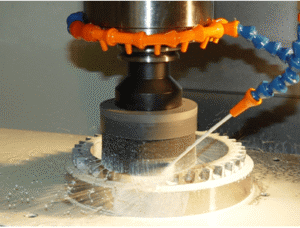
Mistake #3: Over-Deburring
Removing more material than necessary is as damaging as leaving burrs behind.
Over-deburring can:
- Round functional edges
- Affect partfit and assembly
- Reduce partlifespan
Effective deburring must be controlled and precise, not aggressive.
Mistake #4: Over-Reliance on Manual Deburring
While manual deburring has its place, excessive reliance on it leads to:
- Operator-dependentvariability
- Poor repeatability
- Increased safety risks
- Limited scalability
In industrial environments, this results in loss of process control.
Mistake #5: Ignoring Operator Safety
Poorly deburred parts can cause:
- Cuts and injuries
- Ergonomic risks
- Unsafe working conditions
Deburring must protect both the part and the operator.
Mistake #6: Treating Deburring as a Final Patch
When deburring is treated as a last-minute correction instead of a process step, manufacturers face:
- Production bottlenecks
- Late detection of defects
- Increased rework and delays
Integrating deburring into CNC machines, automated lines, or robotic cells significantly improves results.
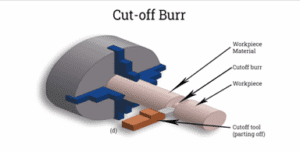
Mistake #7: Lack of Proper Deburring Inspection
Failing to inspect deburred parts allows micro-burrs to pass undetected, leading to:
- Assembly failures
- Field performance issues
- Quality audit non-conformities
Effective deburring always includes clear inspection standards.
How to Prevent Common Deburring Mistakes
To eliminate these issues, manufacturers should:
- Select the appropriate deburring technique per application
- Use controlled and repeatable processes
- Integrated burring into production
- Train operators
- Implement solutions such as industrial deburring brushes, which remove burrs without damaging parts
Conclusion: Deburring Mistakes Are More Costly Than They Appear
Common deburring mistakes do not only affect surface finish—they generate hidden costs, safety risks, and reliability issues. Eliminating these errors leads to higher-quality parts, safer operations, and more consistent production.
Experiencing quality issues due to deburring mistakes?
Choosing the right industrial deburring solution can eliminate these problems at the source.
|
Common Deburring Mistake |
Main Cause |
Impact on Process / Product |
Recommended Solution |
| Assuming all parts can be deburred the same way | Lack of material and geometry analysis | Residual burrs or part damage | Evaluate material, tolerances, and application before selecting a method |
| Choosing the wrong deburring technique | Prioritizing initial cost over quality | Rework, scrap, audit failures | Select the deburring method based on precision and production volume |
| Over-deburring | Excessively aggressive method | Loss of tolerances, damaged functional edges | Use controlled material-removal techniques |
| Excessive reliance on manual deburring | Lack of automation or standardization | Operator variability, low repeatability | Implement automated deburring or industrial brush solutions |
| Ignoring operator safety | Sharp edges or improper tools | Cuts, injuries, workplace safety risks | Ensure uniform deburring and use safe tools |
| Treating deburring as a secondary step | Poor process integration | Bottlenecks, late defect detection | Integrate deburring into CNC or automated production lines |
| Lack of proper deburring inspection | No defined inspection criteria | Assembly or field failures | Establish clear inspection standards |
| Using improper tools | Incorrect tool selection | Surface damage, premature wear | Use deburring tools designed for the application |
| In consistent deburring between batches | Non-repeatableprocesses | Quality variation, customer complaints | Standardize deburring parameters and methods |
FAQ – Common Deburring Mistakes
What are the most common deburring mistakes?
The most common deburring mistakes include choosing the wrong deburring technique, over-deburring, relying too heavily on manual deburring, failing to integrate deburring into the production process, and not properly inspecting deburred parts. These mistakes lead to rework, scrap, assembly failures, and safety risks.
Why is using the same deburring method for all parts a mistake?
Because different parts have different materials, geometries, and tolerance requirements. Applying a single deburring method to all parts can leave residual burrs or damage functional edges, negatively affecting quality and assembly.
What problems does over-deburring cause?
Over-deburring removes more material than necessary, which can round critical edges, alter tolerances, and reduce part service life. Over-deburring is just as harmful as failing to remove burrs.
Why does manual deburring create issues in industrial processes?
Manual deburring is highly operator-dependent, leading to inconsistent results, low repeatability, and increased risk of injuries. It also makes quality control and production scaling more difficult.
How does poor deburring affect operator safety?
Poor deburring leaves sharp edges that can cause cuts and injuries. In addition, using improper tools or methods increases workplace safety risks.
What happens when deburring is not integrated into the production process?
When deburring is treated as a secondary step, bottlenecks occur, defects are detected too late, and rework increases. Integrating deburring into CNC machines or automated lines improves process stability.
Why is deburring inspection often overlooked?
Without proper inspection, micro-burrs can go undetected and cause assembly or field failures. Lack of defined inspection criteria also leads to non-conformities during quality audits.
How can common deburring mistakes be avoided?
They can be avoided by selecting the right deburring technique for each application, using controlled and repeatable methods, training operators, integrating deburring into the process, and using industrial deburring solutions such as brushes.
